
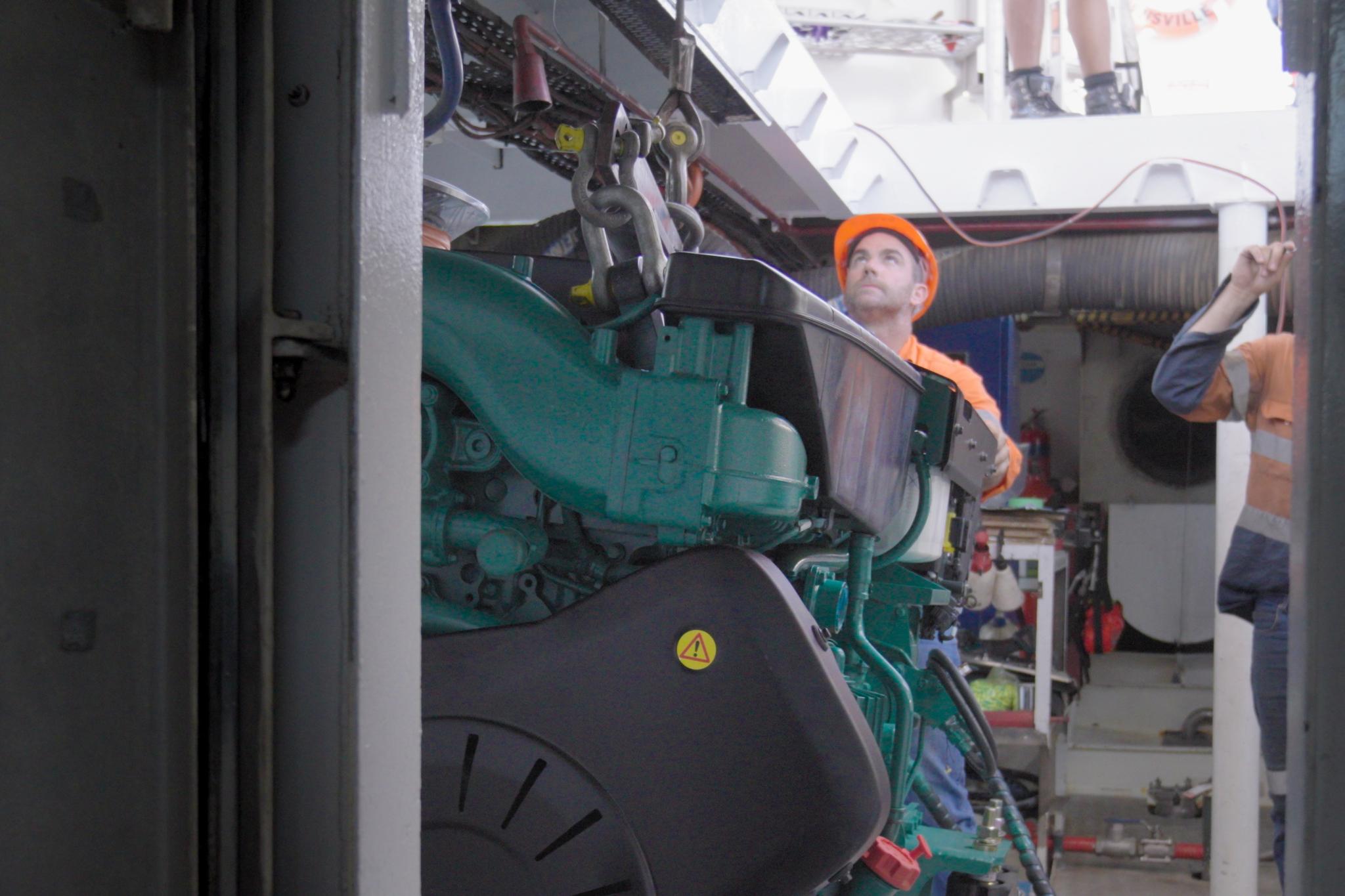
Marine engine upgrades: When to invest in a new Volvo Penta engine
Titan Marine Diesel, a common question we get is not about buying engines, it’s about replacing them.
“When is it actually worth upgrading to a new Volvo Penta engine instead of repairing the existing one?”
There isn’t one simple answer, but there are a few clear patterns we see in real world operations in the USA. Based on what we see in the field rather than theory.
The first sign: Maintenance is becoming the operating cost
It’s expected that every marine engine needs servicing. But there’s definitely a point where maintenance stops being routine and starts being structural, meaning you are constantly fixing issues rather than maintaining performance.
Some signs include increasing frequency of breakdowns, repeated repairs on the same components, higher than normal oil or fuel consumption, and inconsistent engine performance under load.
At this stage, the engine isn’t just being maintained. It is only operational through constant intervention. This is usually the first indicator that a Volvo Penta engine upgrade should be considered.
Changes in fuel consumption
Fuel usage doesn’t normally suddenly spike. It gradually increases over time, and fuel efficiency can drop as internal components wear.
You may notice a reduced range per litre of fuel, engines working harder to achieve the same output, and longer operating times for the same task.
When fuel efficiency drops significantly, it can be a sign of deeper wear that repair work won’t fully resolve. This is often the situation where upgrading to a new Volvo Penta marine engine becomes more cost effective over the long term, especially in US operations where downtime and fuel costs directly affect margins.
Frequent downtime
Is downtime becoming more frequent? Not just major failures, but the accumulation of small interruptions.
This can include delayed departures, unscheduled maintenance stops, short term fixes that are becoming regular events, and reduced vessel availability.
In marine operations, downtime has a direct cost because it impacts schedules, crew time, and operational output. When downtime becomes predictable instead of just occasional, the engine could be reaching the end of its efficient service life.
Age isn’t the only indication that your engine needs to be replaced
Many people believe that marine engines need to be replaced purely based on their age, but the reality is much different. Age is less important than the engine’s operating history.
When a Volvo Penta marine engine is well maintained, its life can be much longer than expected. However, heavy duty or continuous load operations will naturally reduce effective service life.
What matters more is total operating hours, load intensity over time, maintenance history, and environmental exposure such as salt, corrosion, and temperature cycles.
It’s possible that two engines of the same age can be in completely different conditions depending on how they’ve been used. This is especially true across different US duty cycles, such as coastal salt exposure versus inland or river use, seasonal layup, and varying load profiles.

Comment (1)
[…] Volvo Penta bobtail engine may […]